


Capstone Metals — gold and silver IRA dealer
Speak with a specialist: (800) 200-9553Monday – Friday, 7am – 4pm Pacific

Official demand

Central bank gold buying: why they buy, and what it means for you

This is the single most cited fact in gold marketing and the least explained. Central banks do buy gold, consistently and in size, and that is genuinely informative — but their reasons are a central bank's reasons, not a household's. Here is what the data shows, why reserve managers say they hold it, and where the analogy to your own savings breaks down.

Monday – Friday, 7am – 4pm Pacific

  • Licensed and insured since 2014
  • Fiduciary advisory — licensed since 1970
  • Preferred Trust & GoldStar custodians
  • No card payments, no pressure, no commissions-first pitch

Net buyers since

2010, every year

Above 1,000 tonnes

2022, 2023 and 2024

Why they say

No default risk, no sanctions risk

What it isn't

A forecast of the price

What the record shows

DATA. According to the World Gold Council's demand series — the standard dataset, compiled by an industry body — central banks have been net buyers of gold every year since 2010, and annual net purchases exceeded 1,000 tonnes in 2022, 2023 and 2024. DATA. Official reserve statements confirm gold sits inside reserve assets: the European Central Bank's end-December 2025 international reserves template lists it directly. That is a published statistical record, not an argument about gold.
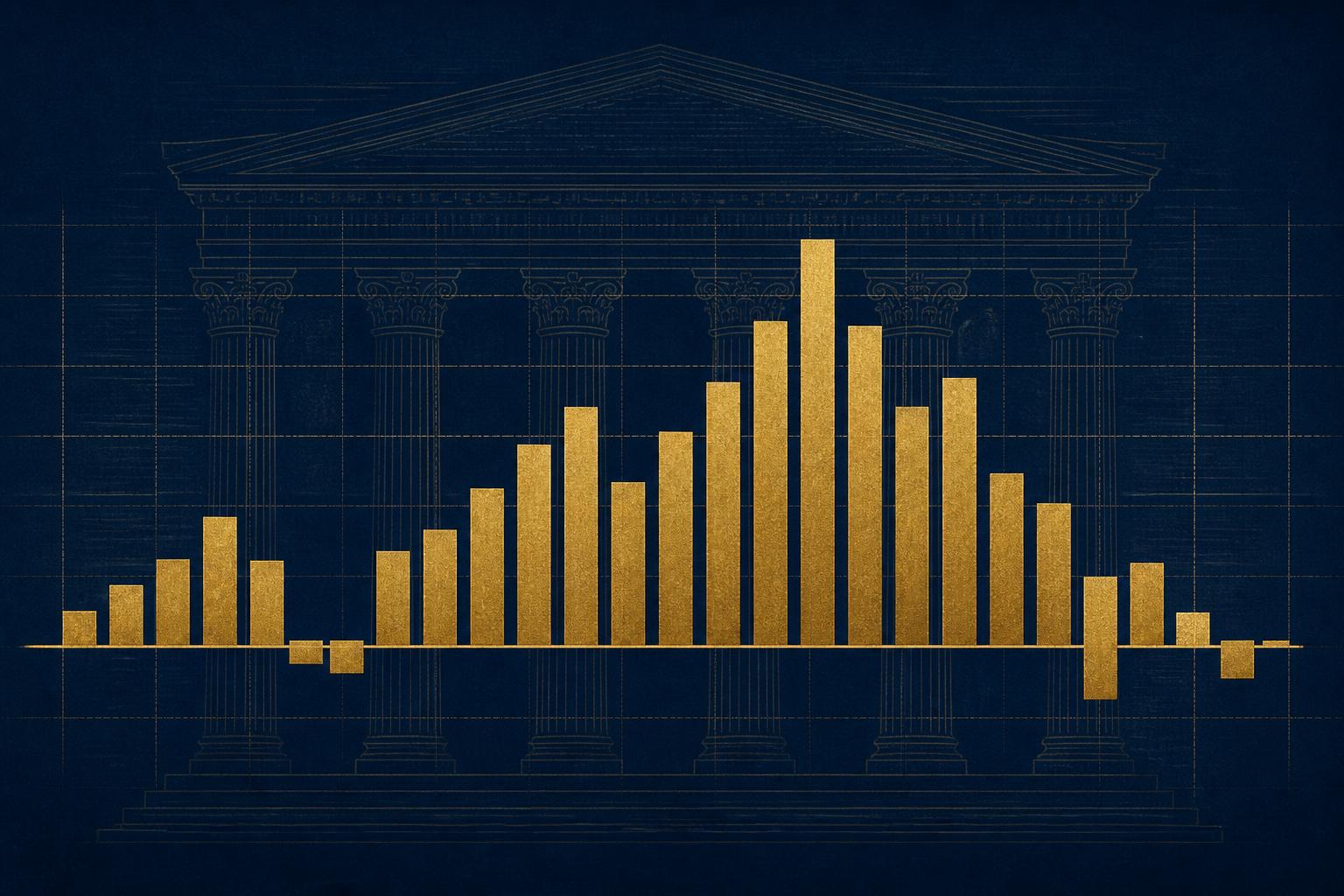
Row of gold vertical bars along a baseline, most rising above it and a few dipping below, set against the faint engraved outline of a classical central bank facade
Official sector buying is a published figure, reported quarterly by reserve institutions — an illustration of that pattern, not a price forecast.
Describe this illustration: Row of gold vertical bars along a baseline, most rising above it and a few dipping below, set against the faint engraved outline of a classical central bank facade

An original Capstone Metals illustration of the pattern in official-sector gold demand: years of net buying, with occasional years of net selling. The shape is drawn from the published reporting of reserve institutions rather than from any Capstone estimate, and the picture carries no figures precisely because the numbers are revised as institutions restate their reporting. Read it as context for why reserve managers say they hold gold, not as evidence about what the price will do next. A central bank's balance sheet and a household's savings answer to different problems.

Diagram of a reserve portfolio split between foreign currency, special drawing rights and gold
Gold sits inside official reserves alongside foreign currency — a published statistical fact, not an argument.
Describe this illustration: Diagram of a reserve portfolio split between foreign currency, special drawing rights and gold

Gold sits inside official reserves alongside foreign currency — a published statistical fact, not an argument. This original Capstone Metals diagram illustrates diagram of a reserve portfolio split between foreign currency, special drawing rights and gold. It is educational artwork, not a price forecast, performance record or recommendation.

Why a central bank holds gold at all

A central bank's reserves exist to be usable in a crisis, including a crisis involving the currencies of other countries. Gold has three properties that suit that job: it is not another government's liability, it cannot be frozen by the issuer of a foreign currency, and it has an established global market. EXPERT ANALYSIS. Reserve-manager surveys — the World Gold Council runs the best-known one — report diversification, performance in a crisis and the absence of default risk as the reasons most often given. A survey records stated intent, not completed purchases.

  • No issuer, so no default risk from another sovereign
  • Not dependent on another country's payment system
  • Deep, continuously quoted global market
  • Long institutional familiarity — reserves have included gold for generations
World map shading countries by the reported size of their official gold reserves
Where official gold sits. A picture of holdings, not a forecast of prices.
Describe this illustration: World map shading countries by the reported size of their official gold reserves

Where official gold sits. A picture of holdings, not a forecast of prices. This original Capstone Metals map illustrates world map shading countries by the reported size of their official gold reserves. It is educational artwork, not a price forecast, performance record or recommendation.

What official buying does not tell you

It does not tell you the price will rise. FORECAST: Goldman Sachs Research expects gold to climb and attributes that expectation largely to official demand — which is exactly the kind of claim to hold at arm's length, because it is an expectation with a date on it, not a result. Central banks also buy for reasons no household shares: sanctions exposure, currency-management obligations, and the politics of reserve composition. Copying an institution's asset without its mandate is not a strategy.

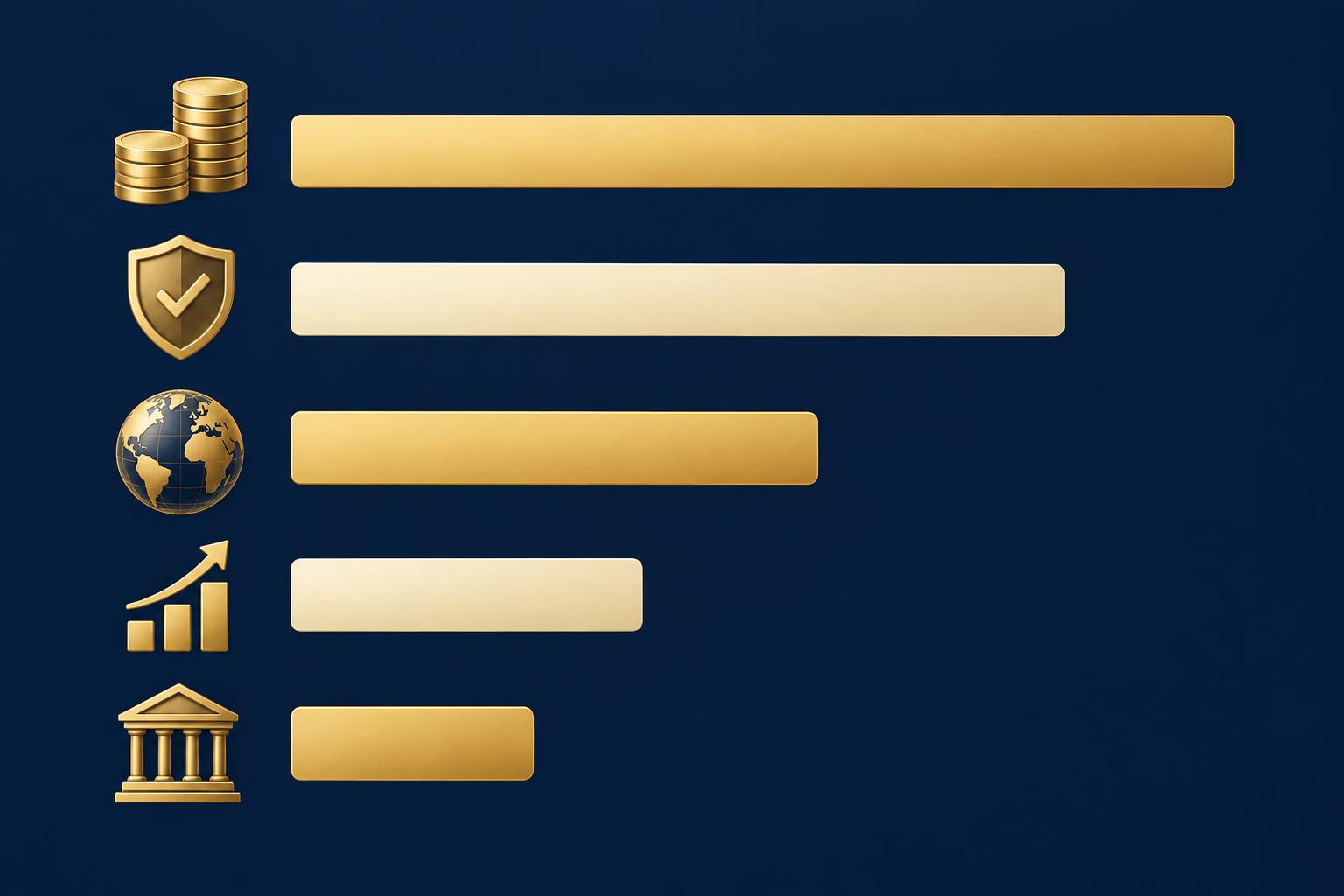
Ranked list illustration of stated reasons reserve managers give for holding gold
Stated reasons from a survey of reserve managers — intent recorded, not purchases proven.
Describe this illustration: Ranked list illustration of stated reasons reserve managers give for holding gold

Stated reasons from a survey of reserve managers — intent recorded, not purchases proven. This original Capstone Metals illustration illustrates ranked list illustration of stated reasons reserve managers give for holding gold. It is educational artwork, not a price forecast, performance record or recommendation.
The honest read for a household

The useful signal is not “buy what they buy.” It is that the institutions responsible for national reserves place real value on an asset with no counterparty — a judgement, made repeatedly, over more than a decade. Whether a portion of your own savings should share that property depends on what else you own, what income you need, and what you would have to sell in a bad year. That is a conversation, not a headline.

Illustration of a reserve account marked inaccessible beside a vault of physical metal marked available
An asset that cannot be switched off by another country's payment system behaves differently in a crisis.
Describe this illustration: Illustration of a reserve account marked inaccessible beside a vault of physical metal marked available

An asset that cannot be switched off by another country's payment system behaves differently in a crisis. This original Capstone Metals illustration illustrates illustration of a reserve account marked inaccessible beside a vault of physical metal marked available. It is educational artwork, not a price forecast, performance record or recommendation.

What the research does NOT say

No source cited here says central bank buying guarantees higher prices, that official demand will continue at any particular rate, or that a household should hold the share of gold a central bank holds. Nor does any reserve statement or survey express a view about private investors or about any dealer, including us.

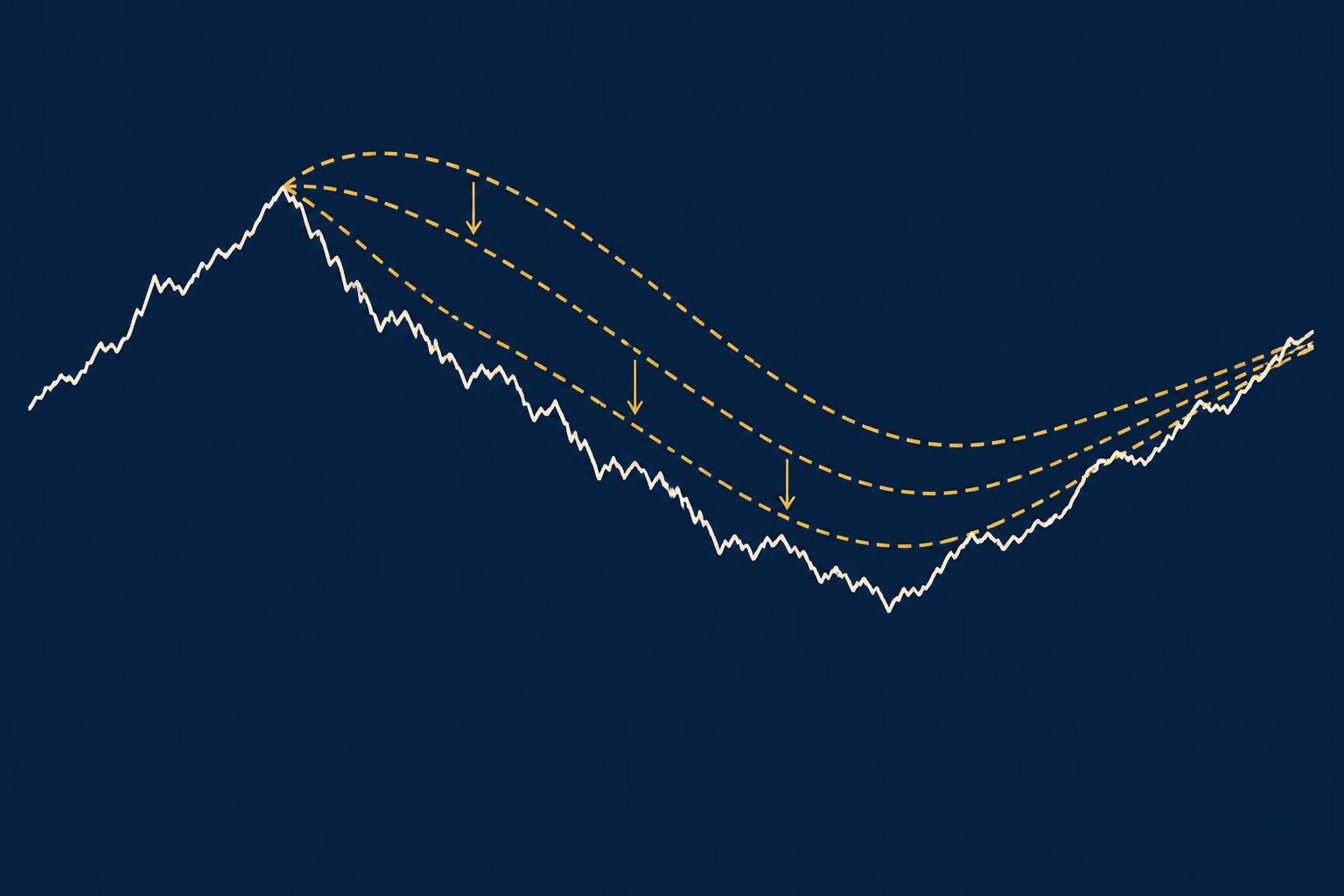
Illustration of a forecast line being redrawn several times against a single actual price path
Forecasts are revised. That is not a scandal — it is why they should not be planned around.
Describe this illustration: Illustration of a forecast line being redrawn several times against a single actual price path

Forecasts are revised. That is not a scandal — it is why they should not be planned around. This original Capstone Metals illustration illustrates illustration of a forecast line being redrawn several times against a single actual price path. It is educational artwork, not a price forecast, performance record or recommendation.

Rather just ask someone?

A specialist can answer this in two minutes. Monday – Friday, 7am – 4pm Pacific.

The short answer

Central banks have bought gold on a net basis every year since 2010 because it is no other sovereign's liability, cannot be frozen by another currency's issuer and trades in a deep global market — reasons tied to a reserve mandate rather than to a household's savings.

Key facts

Each fact below is tied to a numbered source at the foot of this page. Follow the numbers and check us.

  1. 01

    In the World Gold Council's 2026 survey of reserve managers, 93% of respondents said they held gold and 45% expected their institution's holdings to increase over the following year.6,8

    This is survey evidence about stated intent from an industry body funded by gold miners — not a record of purchases, and not a universal fact about all central banks. Intentions reported in a survey change.

  2. 02

    The IMF states that gold carries no credit risk but is volatile, and that its hedging and diversification benefits are conditional rather than automatic.2

    The Fund's July 2026 note on gold in central bank reserves is the most useful counterweight to industry advocacy: it accepts why reserve managers hold gold and then sets out plainly where the protection does not hold.

  3. 03

    Central banks have been net buyers of gold every year since 2010, with annual net purchases above 1,000 tonnes in 2022, 2023 and 2024.7

    This comes from the World Gold Council's demand series — the standard dataset, compiled by an industry body funded by gold miners, which is how it should be weighed.

  4. 04

    Official reserve statements of major central banks list gold among reserve assets.1

    The European Central Bank's end-December 2025 international reserves template is a plain statistical record of this. It argues nothing about private investment.

  5. 05

    Bank price forecasts for gold are stated expectations, not results.3,4,5

    Goldman Sachs Research forecasts a higher gold price and attributes it largely to central bank demand; J.P. Morgan and UBS publish their own views. All are revised over time and have been wrong in both directions.

  6. 06

    The World Gold Council's case for gold as a strategic asset is an industry position, not independent research.9

    It is funded by gold mining companies. The work is substantial and worth reading; it is also advocacy from a body that benefits when gold sells, and this site labels it that way every time.

The vocabulary

Official reserves
The foreign currency, special drawing rights and gold a monetary authority holds to manage its currency and settle external obligations.
Primary source
The original document — a statute, an official statistic, a central bank publication — rather than an article describing it. Every claim on this site is meant to trace back to one.
Reserve asset
An asset a central bank holds to meet external obligations and act in a crisis. Gold and foreign currency both qualify.
Net purchases
Total buying minus total selling across official institutions. A net figure can conceal that some countries sold while others bought.
Reserve manager survey
A poll of the officials who run reserves. It records stated intent, which is not the same as recorded transactions.

Risks and limitations

Anyone who only tells you the upside is selling, not explaining.

  • Reading official demand as a price promise

    Prices depend on far more than central bank flows, and official buying can slow without notice.

  • Copying an institution without its mandate

    Central banks face sanctions and settlement risks a household does not, and they need no income from reserves.

  • Survey intent versus action

    Stated expectations from reserve managers are not completed purchases and should not be quoted as such.

Common misconceptions

Central banks are buying, so the price must rise.

Official demand is one input among many, and it is already known to the market. Reserve managers buy for reserve-management reasons on multi-decade horizons, which says nothing reliable about the next year's price.

These institutions recommend gold IRAs, or recommend Capstone.

None of them has any relationship with Capstone Metals and none comments on any dealer. Citing a public document is not an endorsement, and no page here may imply it is.

Central banks are buying gold because they know a collapse is coming.

Reserve managers cite diversification, crisis performance and absence of default risk. Attributing secret knowledge to them is speculation, not evidence.

Mistakes worth avoiding

  • Quoting a tonnage figure without naming the source or the year
  • Treating a survey of intentions as a record of purchases
  • Matching a central bank's reserve share of gold in a household portfolio

What people ask next

Sources and references

Everything factual on this page traces to one of the following. Law and government publications come first, then exchange specifications and standards bodies.

  1. 1.
    International reserves and foreign currency liquidity — end-December 2025

    European Central Bank · Tier 1 Primary / government · Reported data · published 2025-12-31 · checked 2026-09-15

    A statistical reserve template published by the European Central Bank. It is used here for one narrow purpose: it is official evidence that a major central bank's reserve assets include gold. It makes no argument about gold and takes no position on private investment.

  2. 2.
    Gold in central bank reserves: strategic considerations, market risks, and practical guidance

    International Monetary Fund · Tier 1 Primary / government · Expert analysis · published 2026-07 · checked 2026-09-15

    An IMF note written for reserve managers. It records that gold features prominently in official reserves and carries no credit risk, and it is equally direct that gold is volatile and that its hedging and diversification benefits depend on conditions rather than holding in all circumstances. It is the central counterweight to industry advocacy in this cluster.

  3. 3.
    Gold is forecast to climb as central banks buy the precious metal

    Goldman Sachs Research · Tier 2 Industry / authoritative · Forecast — not a fact · published 2026-08-28 · checked 2026-09-15

    Goldman Sachs Research argues that continued central bank buying is the main driver behind its higher gold price forecast. A forecast is a stated expectation, not an outcome; investment bank commodity forecasts are revised regularly and have been wrong in both directions.

  4. 4.
    Gold price outlook

    J.P. Morgan Global Research · Tier 2 Industry / authoritative · Forecast — not a fact · checked 2026-09-15

    A regularly updated research view on gold from J.P. Morgan's commodities team, setting out the drivers the bank considers most relevant to the price. Because the page is updated over time, the view a reader sees may differ from the one summarised here.

  5. 5.
    Why gold could stage a rebound

    UBS Chief Investment Office · Tier 2 Industry / authoritative · Opinion · published 2026-06-25 · checked 2026-09-15

    A daily house-view note from UBS's Chief Investment Office arguing that central bank demand, interest rate expectations and the dollar could support gold. It is dated wealth-management opinion written for UBS clients, not a durable research finding.

  6. 6.
    Central Bank Gold Reserves Survey 2026 — conclusion

    World Gold Council · Tier 2 Industry / authoritative · Industry position — has a commercial interest · published 2026 · checked 2026-09-15

    The concluding section of an annual survey of central-bank reserve managers, reporting their stated attitudes toward gold. Survey answers are opinions given by respondents, not measured reserve data, and the surveying organisation represents the gold industry.

  7. 7.
    Gold Demand Trends — Full Year 2025

    World Gold Council · Tier 2 Industry / authoritative · Reported data · published 2026 · checked 2026-09-15

    The industry's standard demand dataset, breaking measured gold demand into jewellery, technology, bars and coins, exchange-traded funds and central bank buying. The underlying numbers are compiled from market data and are the most widely cited demand series available; the commentary around them is the industry's own reading.

  8. 8.
    Central Bank Gold Reserves Survey 2026 — Conclusion

    World Gold Council · Tier 2 Industry / authoritative · Industry position — has a commercial interest · published 2026 · checked 2026-09-15

    A survey of central bank reserve managers on why they hold gold and where they expect official reserves to go. It records what reserve managers say about their own intentions; it is a survey of stated intent, not a record of completed purchases, and it is published by an industry body.

  9. 9.
    The relevance of gold as a strategic asset

    World Gold Council · Tier 2 Industry / authoritative · Industry position — has a commercial interest · checked 2026-09-15

    The gold industry's own annual argument for holding gold as a strategic portfolio asset, resting on diversification, deep liquidity and long-run return history. The World Gold Council is funded by gold mining companies, so this is an industry position rather than independent research, and it should be read alongside sources that state gold's limitations.

Who wrote and reviewed this

Written by
Travis Bugli
Chief Executive Officer and licensed agent, Capstone Metals
Reviewed by
Mark Bugli
Senior Advisory Partner, licensed since 1970
First published
2026-09-15
Last reviewed
2026-09-15
Change log (1)
  • 2026-09-15

    Published with the official data separated from bank forecasts and from survey intent.

    Why: Central bank buying is the most quoted and least explained fact in gold marketing.

This page explains general rules and mechanics. It is not individualised tax, legal or investment advice, and Capstone Metals is a precious-metals dealer rather than a custodian, trustee or depository. Confirm eligibility for any specific product with your IRA custodian, and discuss suitability with your own advisers.

Would a short, no-pressure conversation help?

Leave your name and number. A Capstone specialist will answer your questions during business hours.

Most gold and silver firms can only talk to you about gold and silver. We have licensed advisors on staff, so the same conversation can cover your retirement accounts, your market holdings, insurance and estate structure alongside a completely private metals purchase — one fiduciary review of everything you own, not a sales call about one product.

What would you like help understanding? (optional)

By submitting your name and phone number you are asking us to follow up, and you agree that Capstone Metals may contact you by phone, text, or email to clarify what you are looking for and make sure you receive it. Message and data rates may apply. You can ask us to stop at any time by replying STOP or telling us on the phone, and we never sell or share your information. This is a request for information and a conversation — not a purchase, an application, or advice. SMS Opt-In Policy · Privacy Policy · Terms & Conditions · How pricing works · Disclosures · Due diligence & financial risks

Licensed and insuredFiduciary advisory since 1970Independent IRA custodiansPrices quoted, never card-charged

Want a number rather than a conversation first? Request current gold pricing — itemized spot reference and premium, with the research and its limits sent afterwards.

Common questions

Why are central banks buying gold?
Reserve managers most often cite diversification, performance during crises and the absence of default risk — gold is nobody's liability and cannot be frozen by another currency's issuer. Those are institutional reasons tied to a reserve mandate.
How much gold do central banks buy?
The World Gold Council's demand series records net official purchases above 1,000 tonnes in 2022, 2023 and 2024, and net buying every year since 2010. The series is the standard reference and is compiled by an industry body.
Does central bank buying mean the gold price will go up?
No. Some bank research, including Goldman Sachs Research, forecasts higher prices on that basis, but a forecast is an expectation and prices depend on far more than official demand. Anyone stating this as certainty is overreaching.
Do European central banks hold gold?
Yes. The European Central Bank's international reserves template for end-December 2025 lists gold among reserve assets, as do the statements of many national central banks. It is a statistical record rather than a recommendation.
The source documents
Should I hold the same proportion of gold as a central bank?
No, and the comparison misleads. A central bank manages a currency and faces sanctions and settlement risks a household does not. Your allocation depends on your other holdings, your income needs and your time horizon.
How allocation is actually thought about
Is gold right for everyone?
No. Anyone carrying high-interest debt, without an emergency reserve, or likely to need the money within a few years is usually better served by fixing those things first. Gold is a minority holding for money that can sit still, and we will say so on the phone.
Which body compiles the central bank gold data?
The most widely cited series is the World Gold Council's Gold Demand Trends. It is the standard dataset and it is compiled by an industry body, which is worth remembering when reading its commentary.
Do central banks ever sell gold?
Yes. European central banks were substantial net sellers in the 1990s and 2000s under a coordinated agreement. The current pattern of net buying is a change in behaviour, not a permanent law.

Talk it through with someone who will show the working

Leave your name and a phone number. We will separate what the official data shows from what it cannot promise, and tell you plainly if no change is warranted.

Licensed and insuredFiduciary advisory since 1970Independent IRA custodiansPrices quoted, never card-charged
Call (800) 200-9553 Text Email