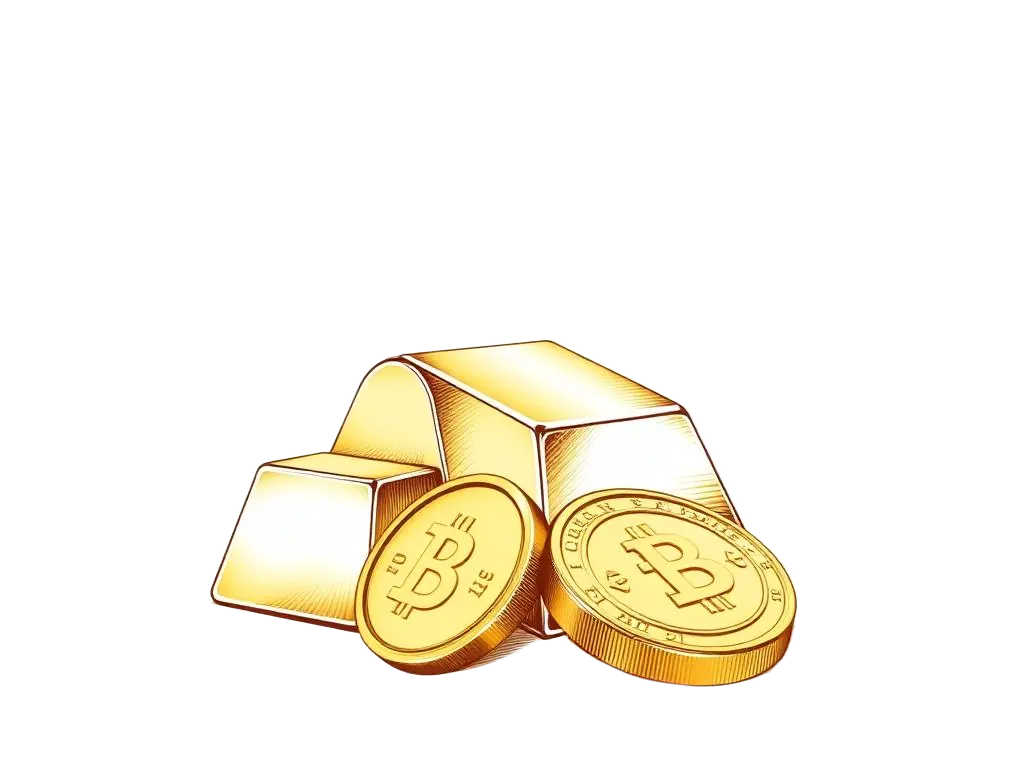
In the 1920s a twenty dollar bill and a twenty dollar gold piece were interchangeable. Either one bought a well-made suit of clothes. Today the paper twenty still says twenty, and it buys a sandwich and a coffee. The gold piece — the same coin, the same weight, unchanged in every way — is worth thousands of dollars.
Nothing happened to the gold. What changed was the number of dollars in existence. Gold did not get more valuable so much as the measuring stick got shorter, year after year, in increments small enough that no single year felt like theft.
This is the whole argument of Volume Two in one image. You are not choosing between a safe asset and a risky one. You are choosing which unit you want to keep score in: a unit that can be created by decision, or a unit that has to be mined out of the earth.
What to take from this chapter
- Currency measures value; it does not store it reliably over decades.
- The same $20 face value produced two wildly different outcomes over one lifetime.
- Ounces held are a better long-horizon scoreboard than dollars held.
Keep reading
Read the due-diligence and financial-risks FAQ before acting on anything in this chapter.