- Is this guide saying digital money is going to collapse?
- No. We think the digital financial system is likely to keep working for the overwhelming majority of transactions and holdings. The guide argues something narrower: that as ownership becomes more layered — issuer, platform, smart contract, custodian — it is worth knowing which of your holdings depend on none of those layers, and deliberately choosing how much that share should be.
- Are stablecoins safe?
- Payment stablecoins issued under the GENIUS Act must be fully backed by cash and short-dated Treasuries, publish monthly reserve reports, and holders sit ahead of other creditors in an insolvency. They are also explicitly not federally insured, they pay no yield by law, and history shows redemption access can be interrupted even when reserves are intact. They are a good payment instrument and, in our view, a poor savings vehicle.
- Should I buy tokenized gold instead of physical gold?
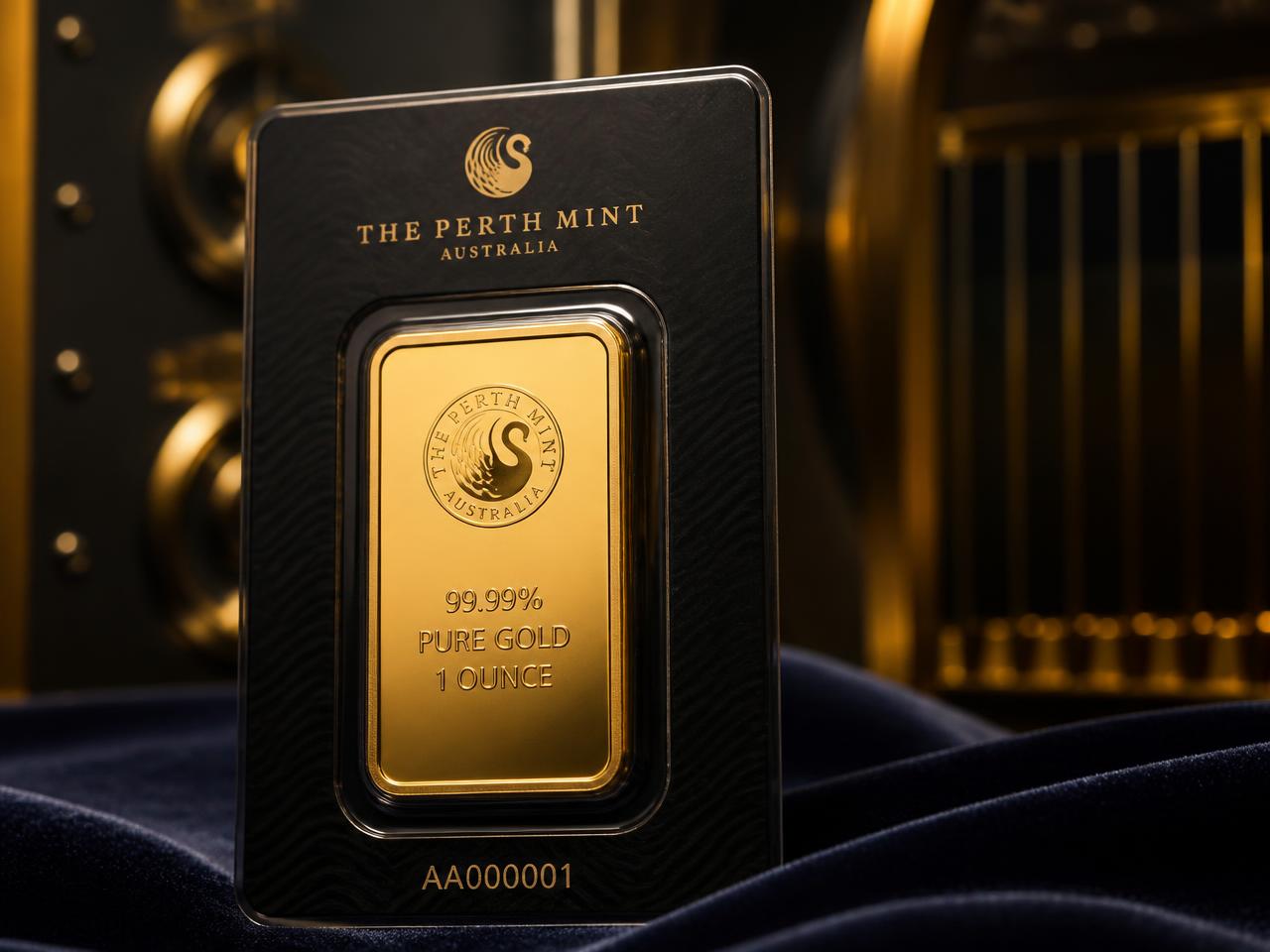
- If your goal is trading exposure to the gold price with tight spreads and instant liquidity, tokenized gold or a gold ETF is often the better instrument and we will tell you so. If your goal is to hold something that does not depend on an issuer, a smart contract or a redemption policy, then a token has not answered that goal — it has added a counterparty to it.
- Will quantum computing break Bitcoin or my bank?
- No publicly known quantum computer can break the cryptography securing blockchains or banking today, and credible timelines range from about a decade to never. NIST finalized post-quantum standards in 2024 and migration is underway across governments and financial infrastructure. The realistic near-term concern is 'harvest now, decrypt later' against long-lived encrypted records, not your balance disappearing.
- How much of my money should be in physical metals?
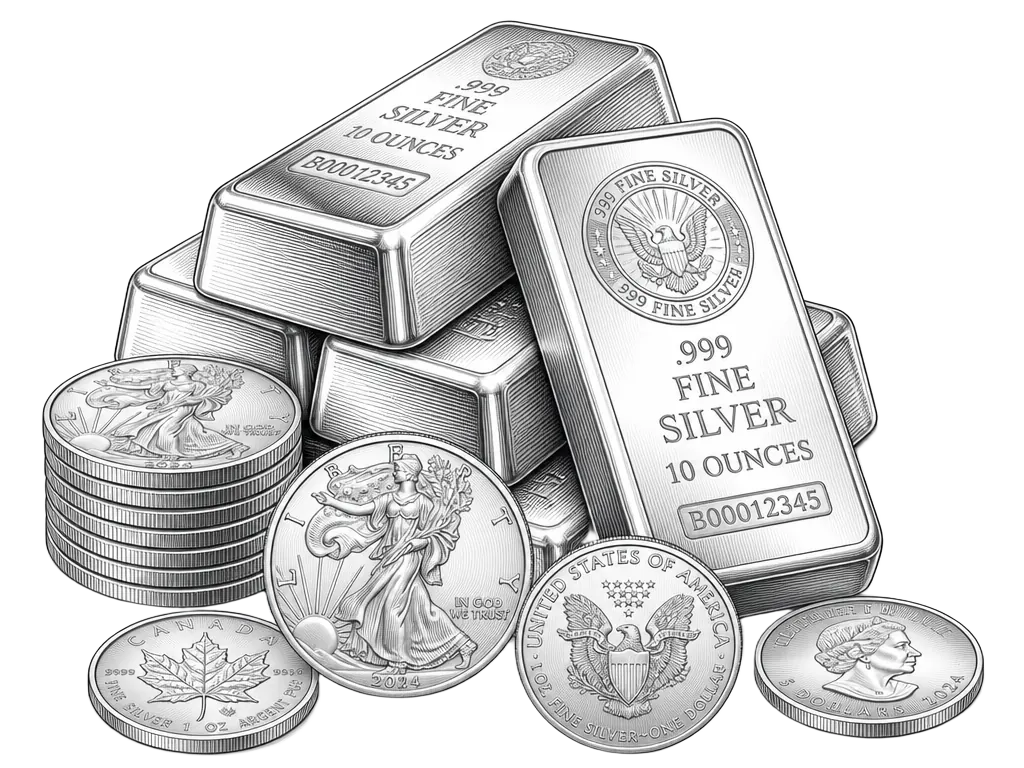
- We deliberately do not publish a target percentage, because a dealer's published allocation is a sales quota. The right figure depends on your income stability, time horizon, existing holdings and obligations. What we will say plainly: metals pay no income, can fall for years, and should be sized like insurance rather than like a bet. If you have high-interest debt or no emergency fund, the answer is probably zero for now.
- What is the biggest digital-asset risk to an ordinary household?
- Fraud, by a wide margin — specifically long-form investment relationship scams and account takeover. These cause vastly more household loss than monetary policy or cryptography. Hardware-key authentication, a carrier port-out PIN, and a rule that nothing gets funded the same day it is proposed will protect more wealth than any asset allocation decision.
- What does Capstone Metals actually do for readers of this guide?
- We are a wealth-protection firm. We help families hold physical gold and silver, and we help people move assets — brokerage accounts, cryptocurrency and other digital assets, real estate and more — into self-directed IRAs and more secure custody when that is the direction they choose. Our senior advisory partner Mark Bugli has been a licensed financial advisor since 1970 and is a fiduciary, legally and morally obligated to put your interest first. That is why this guide names the situations where metals are the wrong tool and tells you to verify us in FINRA BrokerCheck and the SEC's IAPD before you do anything.